Naujienos

Apie Fever Ray
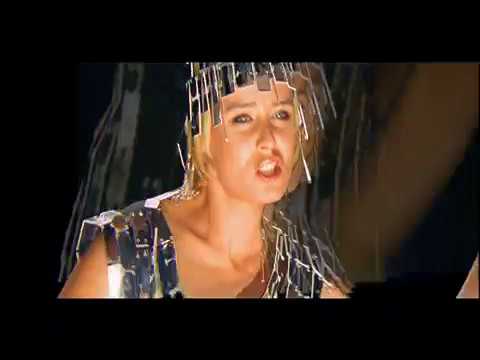
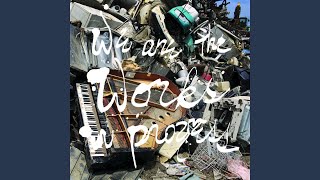
Po „Fever Ray“ slapyvardžiu slepiasi atlikėja Karin Elisabeth Dreijer Andersson (gimusi 1975-ųjų balandžio 7 d.), žinoma kaip elektrininės muzikos dueto „The Knife“ vokalistė. Minėtąjį duetą su… broliu Olof‘u Dreijer‘u sukūrusi dainininkė anksčiau dainavo ir grojo alternatyviojo roko grupėje „Honey Is Cool“. Grupei „The Knife“ pradėjus veiklos pertrauką, Karin nutarė išleisti solinį albumą ir tam pasirinko „Fever Ray“ pseudonimą. Debiutinį jos diską 2009-ųjų kovą išleisti numatė „Rabid Records“ įrašų kompanija. Pirmuoju albumo singlu tapo daina „If I Had a Heart“, skaitmeniniu formatu išleista 2008-ųjų gruodžio viduryje. Albumas „Fever Ray“ skaitmeniniu formatu buvo išleistas jau sausio 13-ąją dieną.
Muzika




Bendruomenė
Kitokio albumo iš Fever Ray tikėtis turbūt ir nevertėjo. Labai savitas skambesys su kapotomis, ritmiškomis, tarpusavyje persiklojančiomis sintezo melodijomis, orkestriniais akcentais ir vienu metu jausmingai, bet ir robotiškai skambančiu Karin Dreijer balsu. Šis albumas galbūt yra artimiausias konvencinei pop muzikai, nors gana seniai jau klausiausi jos debiutinio albumo arba Plunge. Ir tuo, kad albumas gana konvencinis, jis turbūt ir nukenčia – kiek trūksta dainoms groove'o, jos kai kuomet įkrenta į monotonijos duobę ir atrodo, kad kompozicijos trunka per ilgai. Bent jau tas krenta į ausis albume pradžioje sulig What They Call Us ir Shiver, o ypač pabaigoje su Bottom Of The Ocean. Ši daina yra be konkurencijos mano nemėgstamiausia albume, tai yra 7 minutės ausų skalbimo tuo pačiu atmosferiniu muzikiniu motyvu. Užtat albumo vidurys gana solidus ir geriausiai primena ankstesnius Fever Ray darbus: New Utensils turbūt intensyviausią poskonį turintis kūrinukas. Even It Out nedaug atsilieka, aštrokas kūrinukas. Jo pagrindinė melodija kažkaip primena Andrew Lloyd-Webber'io operos fantomą. Kandy aranžuotė gan orientalistiška, tuo ir patraukli. Bet mano mėgstamiausia yra Carbon Dioxide . Tiesiog ryškiausia, labiausiai vežanti ir ritmiška daina, o nuo ritmiško nė kiek nenukenčia ir sintezo partijos, jos ne mažiau subtilios nei kitose dainose. Albumą vertinu gerai. Rašau 8-etą su minusiuku.
Jei ne ,,Vikingų" serialas, tai nebūčiau taip pamėgusi šios dainos. Nemanau, kad iš viso iki galo kadanors būčiau išklausiusi, bet šio serialo dėka ji įstrigo ir tapo mano labai mėgstama. Dabar visur ir visada su manimi. :)
At first, it's a little difficult to determine where the Knife ends and Fever Ray begins. On paper, it's clear -- the Knife is the project of Karin Dreijer and her brother Olof , while Fever Ray is Karin with co-producers Christoffer Berg, Van Rivers , and the Subliminal Kid -- but the differences aren't as distinct when listening to Fever Ray the first few times. Initially, the album's dark, frosty atmosphere feels like a continuation of the Knife 's brilliant Silent Shout , and the oddly bouncy rhythms on songs like "Triangle Walks" and "Coconut" recall the duo's exotic-yet-frozen Nordic/Caribbean fusion. Eventually, though, Fever Ray reveals itself as far darker and more intimate than anything by the Knife . the Knife 's spooky impulses are usually tempered by vivid pop instincts that Fever Ray replaces with a consistently eerie mood, particularly on "Concrete Walls," which feels like an even grimmer cousin of Silent Shout 's "From Off to On." However, Fever Ray's mix of confessional lyrics and chilly, blatantly synthetic and often harsh sounds make this album as successful an electronic singer/songwriter album as Björk 's Homogenic . These are some of the most alluring and disturbing songs Dreijer has been involved in making: the excellent album opener "If I Had a Heart" explores possibly inhuman need with a churning, almost subliminal synth and murky bass driving Dreijer 's pitch-shifted vocals (which sound more like a different part of her psyche than a different character in the song); when her untreated voice comes in, keening "will I ever ever reach the floor?" she sounds even more frail and desperate by comparison. The rest of Fever Ray follows suit, offering fragile portraits and sketches that walk the fine line between intimate and insular. Dreijer further expands on the storytelling skills she developed on Silent Shout : the characters in her songs feel even more resonant and unique, especially on "When I Grow Up," which is as fascinatingly fragmented as a child's train of thought, skipping from sentiments like "I'm very good with plants" to "I've never liked that sad look by someone who wants to be loved by you." She also has an eye for unusual details, as on "Seven"'s "November smoke/And your toes go numb." It all comes together on the haunting "Now's the Only Time I Know," where the low end of Dreijer 's voice sounds especially vulnerable and the lyrics fill in just enough to be tantalizing. At times, Fever Ray threatens to become a little too mysterious, but it never sounds less than intriguing, from the layers of claps and castanets that make up the beat on "I'm Not Done" to "Keep the Streets Empty for Me"'s almost imperceptible guitars. With almost tangible textures and a striking mood of isolation and singularity, Fever Ray is a truly strange but riveting album. Heather Phares
Temų apie Fever Ray dar nėra — pradėk pirmą!
Fever Ray recenzijų dar nėra — parašyk pirmą!
Fever Ray dainų vertimų dar nėra — išversk pirmas!